
EXPLORE
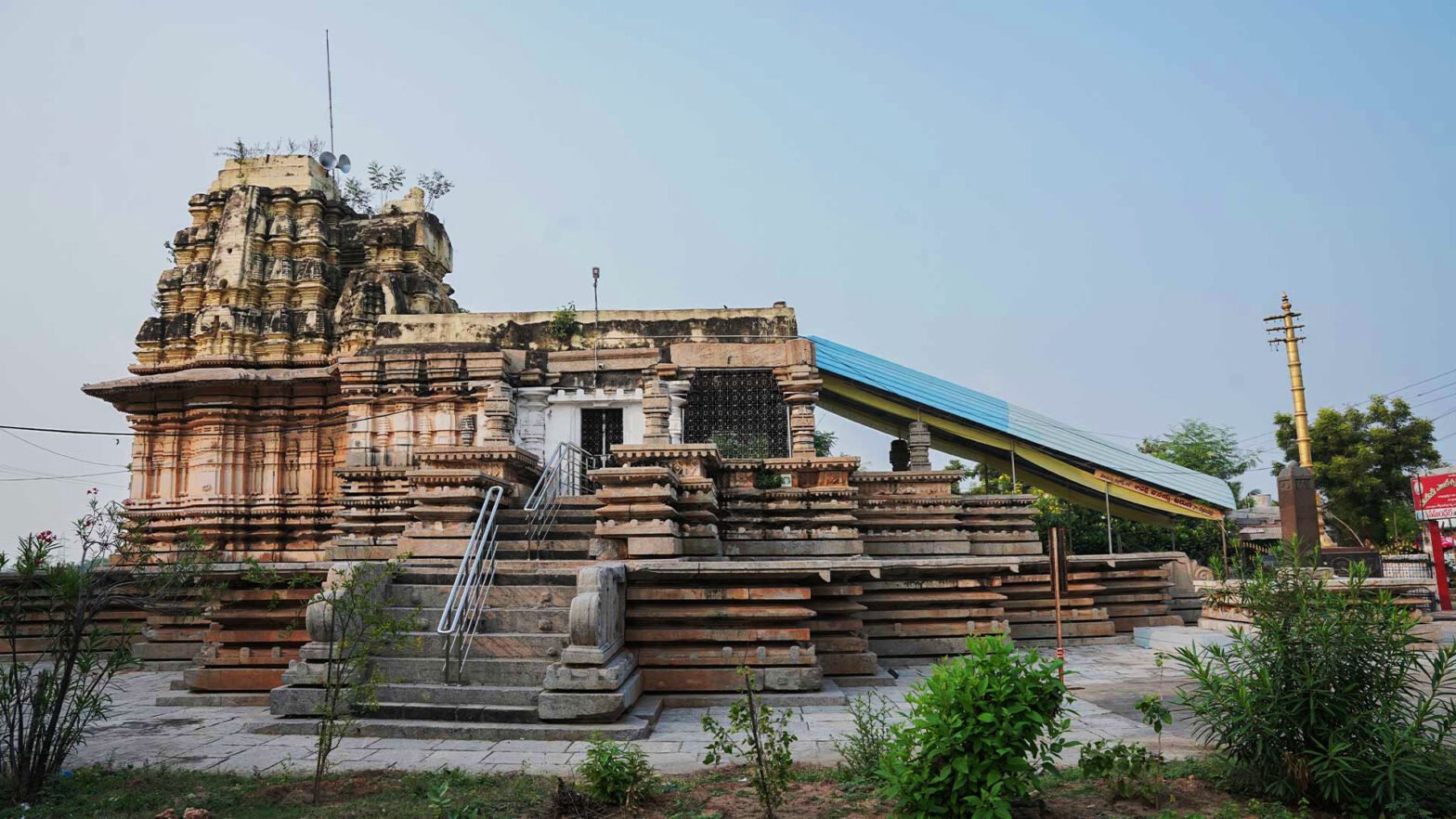
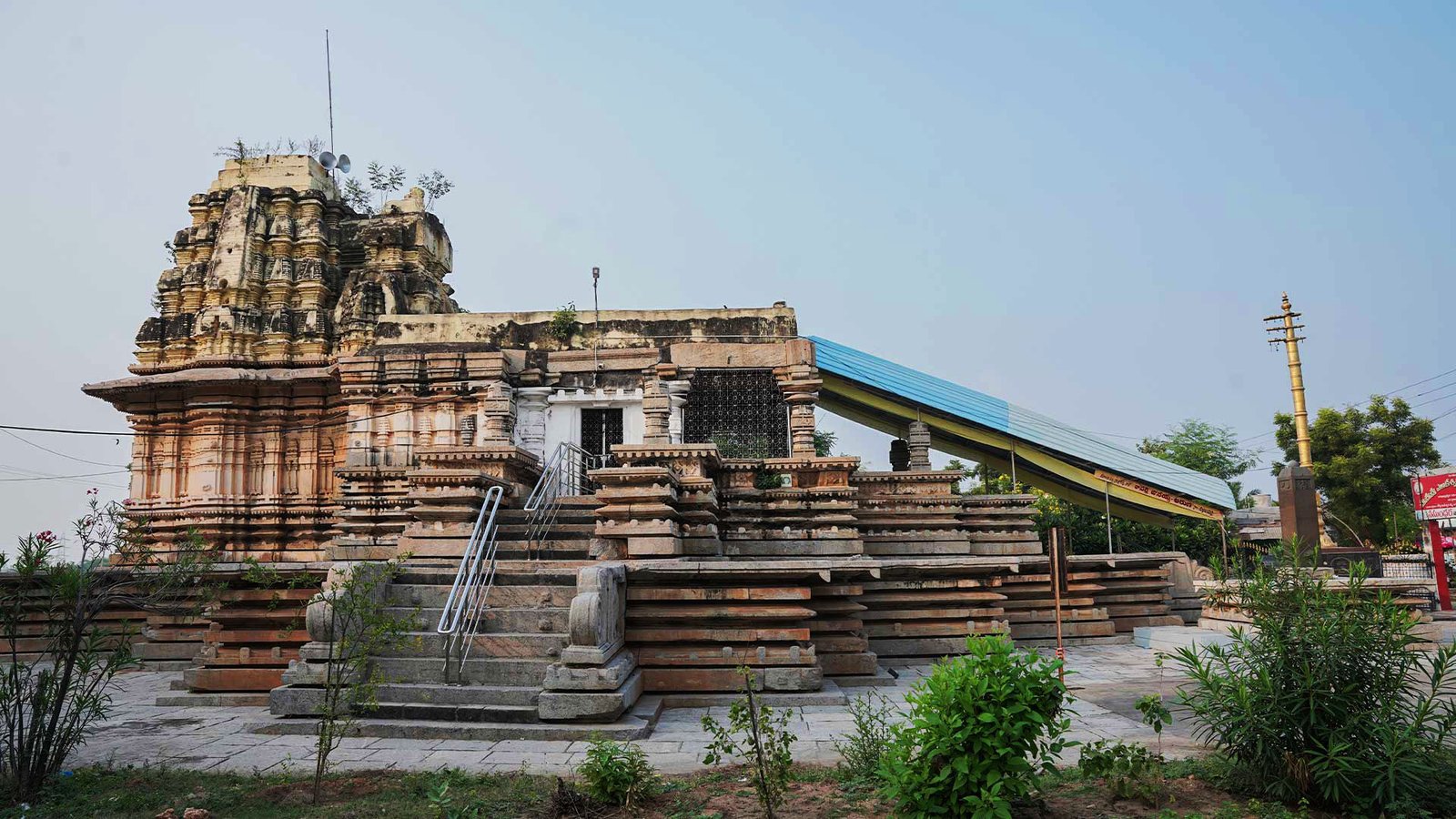
Erakeswara Temple, Pillalamarri
-
Period : 10th Century
Deity :
District : Suryapet
Erakeswara Pillalamarri village in Suryapet district of Telangana. Sri MadhKolanupaka is one among the Panchashektrams of Vera Saivam sectukeswara temple was built by the Eastern Ganga King Sri Kamarnava II in 10th c
The temple legend has it that the Linga present in the temple is self-manifested and being worshiped from Satyayuga to till date. Another legend has it that Renukacharya, the prominent Vera Saiva philosopher is believed to be evolved from the main Linga splitting into two. Renukacharya promoted the VeeraSaivam philosophy by residing in the temple for about 1000 years and later merged into the Linga.
Kolanupaka is an important site from the early periods and evolved as the prominent Jain site during early medieval period. Kolanupaka is also the local headquarters under the Rastrakutas and KalyaniChalukyas.
According to scholars, The Someswara temple is constructed during the rule of Someswara III of KalyaniChalukyan dynasty thought there might be an early smaller structure build during the Rastakuta rule. The growth of Saiva tradition led to the construction of huge number of temples dedicated to Siva all over the southern India during VeeraSaiva moment which resulted in establishment of Siva temples near the settlement of Jaina and other sects.
Renukacharya, the prominent VeeraSaiva philosopher established VeeraSaiva school of philosophy and promoted the sect by establishing Maths for 18 castes and welcomed people from lower sections to adopt Saivism to counter the growing influence of Jaina and Buddhist sects.
Later, on the arrival of Kakatiya’s into power, the Someswara temple underwent expansion and renovation. Several pillars, mandapas, icons and artistic elements were added to the original structure. The Kakatiya rulers and their chiefs ruling the area endowed the temple with several gifts and lands.
The temple complex consist of several structures that are built over in different periods under Rastrakuta’s, KalyanaChalukyas and Kakatiyas. The complex consist of main shrine enclosed inside two prakaras with multiple mandapas and dilapidated structures around it which are now under renovation.
The first prakara forms a closed rectangle with KakatiyaTorana(Arch) on the east which opens into cloister which is now being used as the museum for displaying the sculptures and icons found in the ruins of temple complex. There is a small shrine just before the Torana lying below ground level containing a Linga and a small Nandi. The first enclosure has pathway with Jayastambam and a small four pillared mandapa which has Nandi just in front of second prakara entrance gateway. The cloister in the west wall has two chambers on either side of the second entrance gateway in which Veerabhadra icon and Linga are placed.
The second prakara which has wall on all four side mostly in dilapidated state and now under renovation opens through an entrance gateway in the east. On passing through this entrance leads to a courtyard which has main shrine in the center and multiple mandapas on its sides.
The main shrine consist of garbhagriha, arthamandapa, mukhamandapa and mahamandapa. All the structures are closed with walls on the sides and accessible through the doorframe in the east wall of mahamandapa. The mahamandapa and mukhamandapa are pillared halls which consists of architectural members belonging to both KalyaniChalukyan and Kakatiya periods. There is Linga with a nandiinfront of it placed in between the central pillars in both mandapas. The arthamandapa has two chabers on either sides of its doorframe in which one is dedicated to Ganesh and the other to Chandi, the consent of main deity. The doorframe of arthamandapa has a projection of pillar and a perforated window on both sides and the lintel part has circular nodes facing downwards. The sanctorum is small square chamber assessable through a doorframe in the east with a small figure of Gajalaxmi on the lintel. The main chamber consist ofLinga in the center and behind it there is asculpture of Renukacharya in standing pose.
The Someswara temple complex consist of numerous sculptures and Lingasbelonging to different time periods and styles found scattered around in the temple ruins. The sculptures are now in display in the temple museum in the cloister of outer prakara. There are icons of Bhairava, Ganesha, Nataraja, Vishnu, Rama, Brahma, Parasurama, Chamundi, Saraswati, Mahisasuramardhini, Surya and various forms of Siva.
The sculptures belonging to the Rastrakuta and Kalyana-Chalukyan period can be differentiated from the Kakatiya sculptures based on the decorative elements and are highly polished. There are no carvings on the architectural members such as pillars and walls of the temple complex.
There are two life-size Dwarapalaka sculptures placed leaning against the wall of outer Prakara and two Ganesha icons placed on either side of the entrance path into the temple.
The Lingas in the temple are placed at different mandapas with a sculpture of Nandi infront of it. All the Lingas and Nandi vary in size and styles as they belongs to various periods. One particular linga placed in a chamber in the prakara has thousand minute lingas carved on its surface and is of highly polished.
The most interesting sculptures in the temple are the icon of Mastyavallabhaplaced in front of the Jayastambam. As per mythology Mastyavallabha is the son of Lord Hanuman born to a demon fish guarding the path to Lanka. The icon of Matyavallabha is very rare and it can be differentiated from the Hanuman icon based on the flanks emerging from the Mastyavallabha mouth while all other features are similar to Hanuman.
There are notable amount of Jaina sculptures found it the temple complex now shifted to different locations. The idol of a Jain sitting in meditation pose is placed on the path leading from the Torana arch towards entrance gopura.
Photos
Panorama
Videos
Photos
01 Erakeswara Temple, Pillalamarri
02 Erakeswara Temple, Pillalamarri_from side
03 Erakeswara Temple, Pillalamarri_Garbagudi entrance
04 Erakeswara Temple, Pillalamarri_From side
05 Erakeswara Temple, Pillalamarri_Mandapam
06 Erakeswara Temple, Pillalamarri_Inscription
07 Erakeswara Temple, Pillalamarri_From behind
08 Erakeswara Temple, Pillalamarri_From behind
09 Erakeswara Temple, Pillalamarri_Dhwaja sthambam
10 Erakeswara Temple, Pillalamarri_Inscription
11 Erakeswara Temple, Pillalamarri_Mandapam
12 Erakeswara Temple, Pillalamarri_Mandapam
13 Erakeswara Temple, Pillalamarri_From behind
14 Erakeswara Temple, Pillalamarri_Arch
15 Erakeswara Temple, Pillalamarri_Arch
Panorama
Videos