EXPLORE
Ghanpur Group of Temples
-
Period : 13th Century,
Deity : Shiva
District : Ghanpur, Jaisankar- Bhupalapalli district of Telangana
Info:
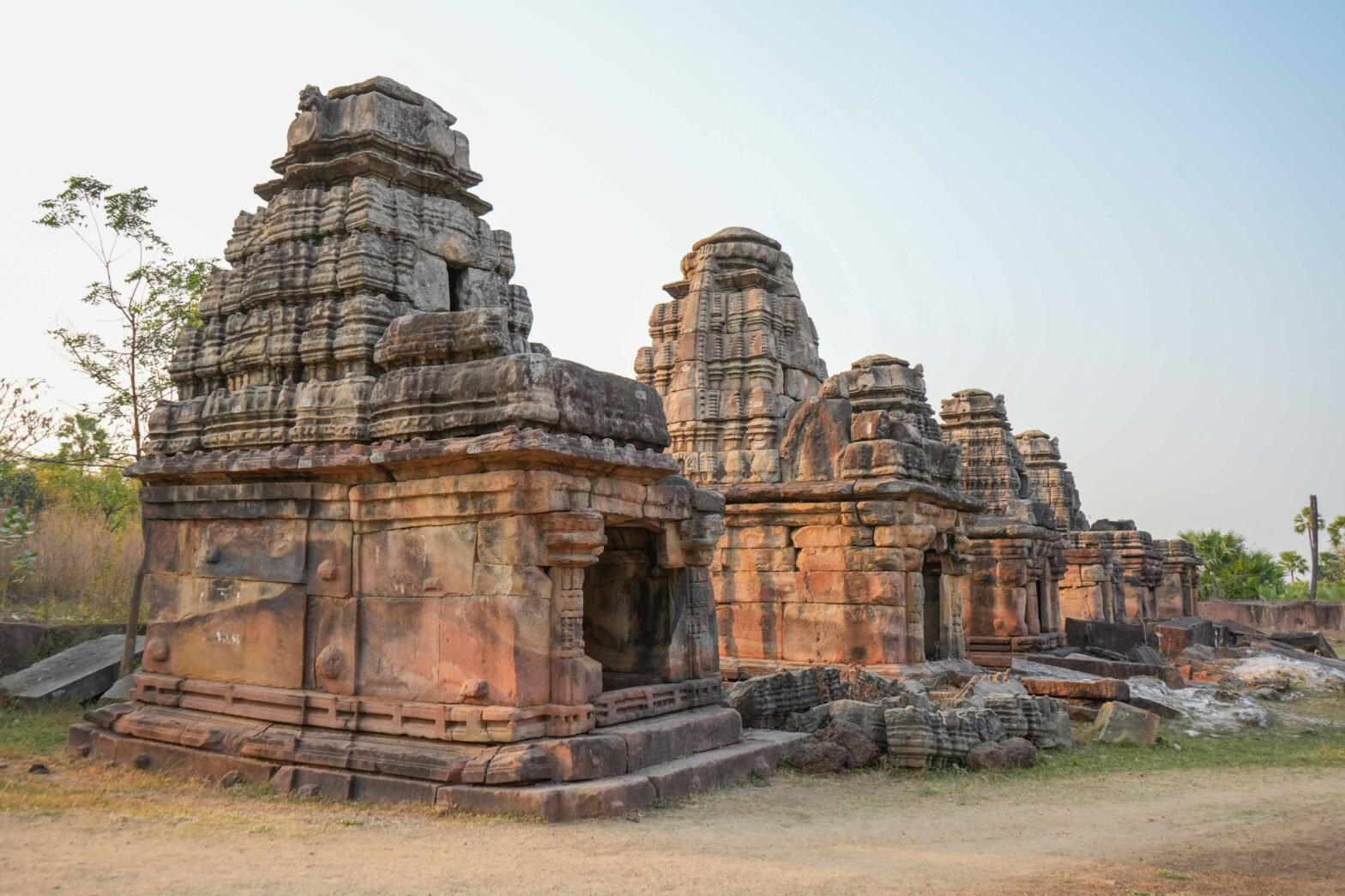
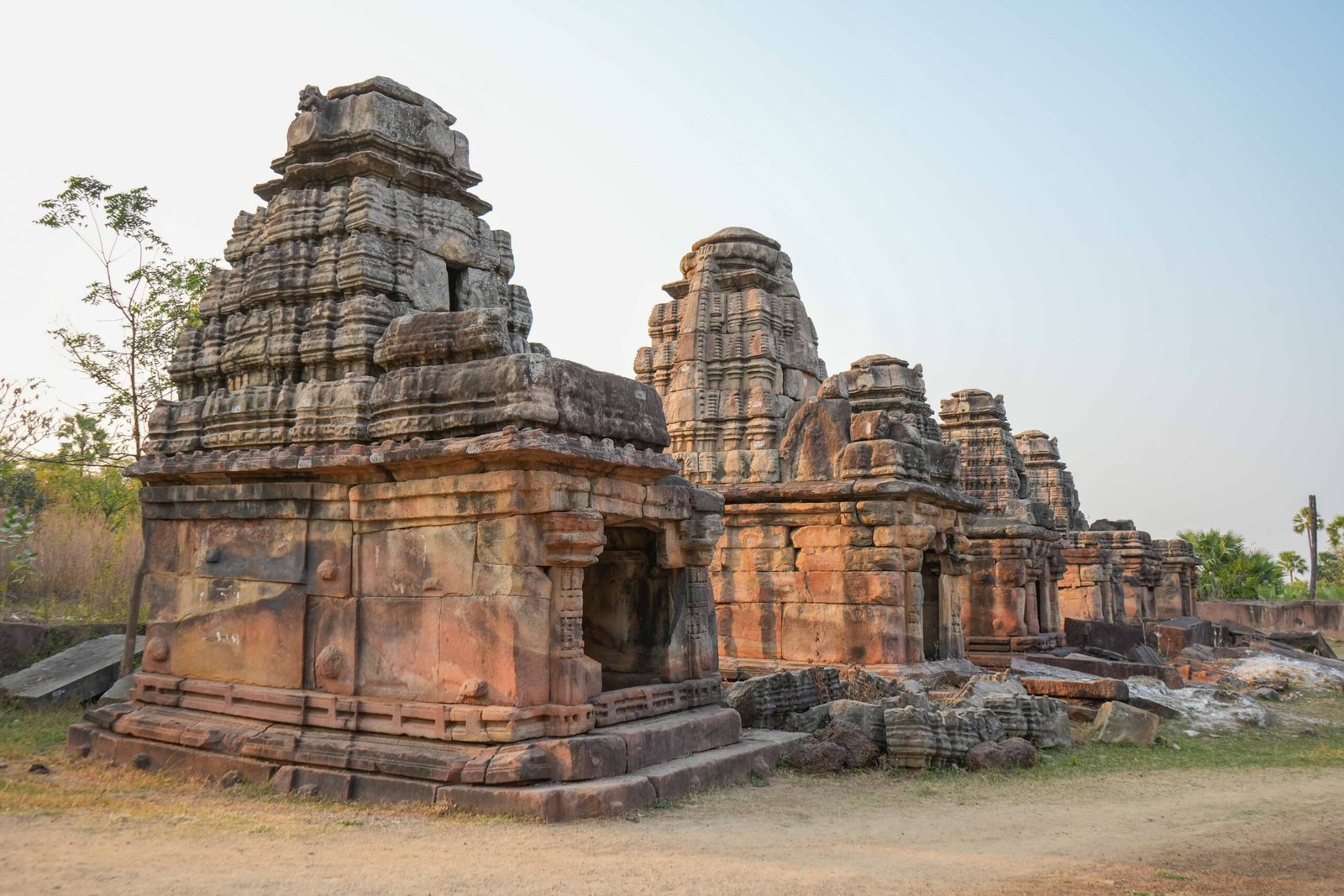
Ghanpur a town situated in the Jaisankar- Bhupalapalli district of Telangana state. The village consists of typical Kakatiya temple group consisting of a total of twenty-two temples, in which the central shrine is similar to as that of Ramappa temple at Palampet. The group of temples are locally called as Kota Gullu meaning temples of fort.
Management:
Department of Heritage Telangana
Ghanpur village is a fortified town in times of Kakatiya rule in 12-13th centuries along with Hanumakonda, Warangal and Palampet which consist of a ruined fort and dilapidated group of temples built in typical Kakatiya style. The temple consist of three inscriptions belonging to the Kakatiya period. Ganapati Reddy, a Reddy Chief constructed them, dedicating them to the Ganapatideva, the ruler of Kakatiya in the early 13th century and hence the name of the place became Ghanapeswaram and it time course settled as Ghanpur.
Architecture:
The Ghanpur group of temples are situated within a double enclosed compound walls in which the inner enclosure is built of huge blocks of stone. The main shrine is located in the center and built in larger dimensions. There are three shrines and mandapa to the east, three shrines and mandapa to the south, eight shrines to the west and five shrines in the north. All the temples are built in typical Kakatiya architecture except three shrines, which consists of Vimanas as of early Chalukyan style as that of Aihole.
The main temple is dedicated to Lord Siva called Ganapeswara is built in grand scale and is one among the bigger temples of Kakatiya period. The temple is built on a double platform and consists of a stellate plan on ground. The temple is facing east consisting of Garbhagriha, antharala, Mukhamandapa with three porches in the east, south and north directions. There are flight of steps leading into the porches and the porches consist of a low parapet wall running along sides. The roof of the temple is mostly collapsed and only a portion of it is present over the main sanctorum with no Vimana (superstructure) over its top.
The subsidiary shrines consist of a Garbhagriha and arthamandapa with superstructure on its top and a front mandapa. There are two Mandapas i.e the pillared halls which are mostly in collapsed state. The entire temple complex is enclosed by a atone prakara which is again enclosed by a huge mud rampart surrounded by a deep moat.
Art & Sculpture:
The Central shrine consist of a good number of artistic elements similar to that of other Kakatiyan temples. The outer walls, entrance doorways and pillars of the temple consist of several carvings and sculptures. There are a few bracket figures of elephants, Yalis and human attached to the pillars of porches resembling to that of Ramappa bracket figures. The outer walls of the central shrine consist of several projections and has a series of bands consisting of carvings of elephants, dancers, sages, warriors and flower motifs.
The entrance gateways of antharala and garbhagriha have the finest carvings depicting the dwarapalas and ladies on the sides of the doorjambs. The antharala doorway also has a Jali-work (perforated panels) on both sides. The carvings on the doorjambs include the rows of men and women in various dancing poses. The lintel has the figure of Siva in dancing pose with Vishnu, Ganapati, Brahma and Kumara on the sides along with two female deities and woman attenders on each side. The base of the doorway has the sculptures of warriors on corners and projections in the center.
The subsidiary shrine and consist of decorative elements on the wall, pillars and superstructures.
These sculptures are displayed in an open air museum we come across before we reach the temple complex.
The most celebrated festivals in the temple are Sivaratri and Kartika pournami. All other holy days as per the Saiva agama are performed in the temple.
6AM- 6PM