EXPLORE
Ramalingeswara Temple Complex
-
Period : 7th Century,
Deity : Shiva
District : Satyavolu, Prakasam district, A.P.
Info:
The Ramalingeswara and Bhimalingeswara temples, situated in Satyavolu village of Racherla mandal in Prakasam district of Andhra Pradesh are the finest example of Badami Chalukyan architecture and the only best surviving temples of that style in the Andhra region and reveal new trends in architecture.
Management:
Archaeological survey of India (ASI)
The temple complex is built in 7th and 8th centuries CE by the Badami Chalukyas who annexed the local powers of that period and one of the few architectural evidence that survived from that short period of rule. The temple has few inscriptions engraved on the wall that give us some information about the donations made to the temple.
Architecture:
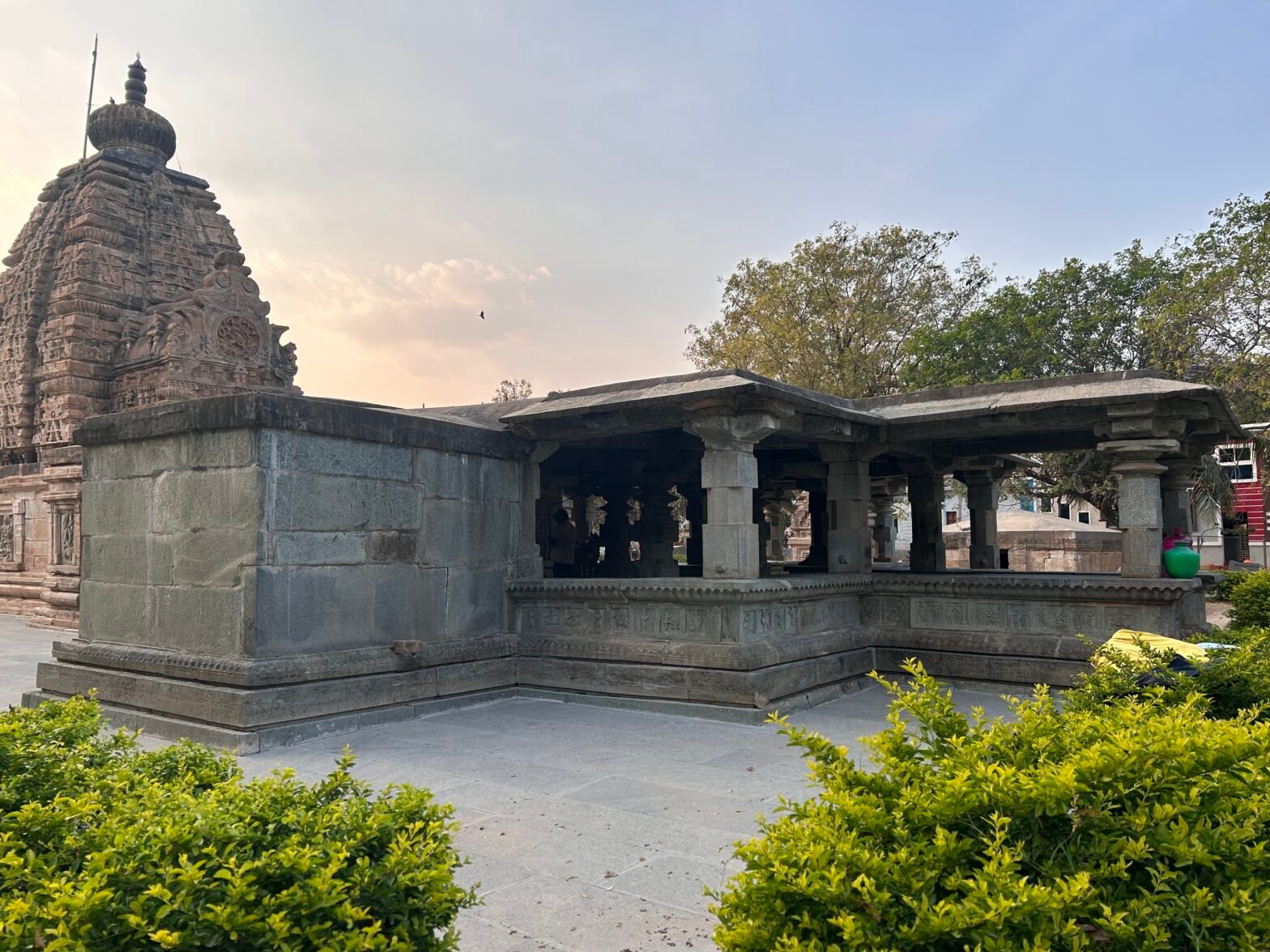
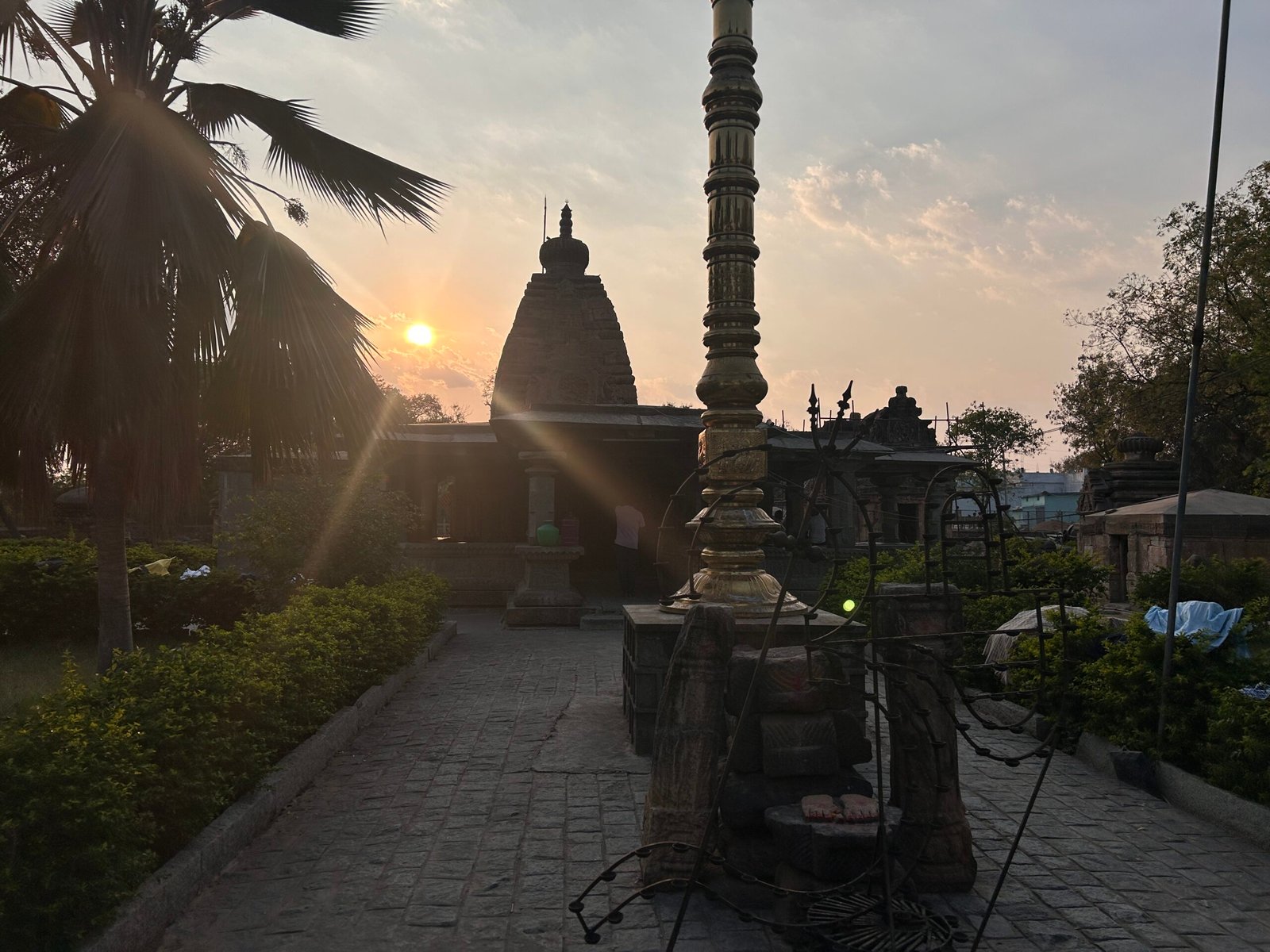
The temple is one of the best surviving early temples of the Badami Chalukyan style of temple architecture. The architectural features are similar to that of Pattadakal and Alampur. There are two main shrine constructed side by side called Ramalingeswara and Bhimalingeswara and other subsidiary shrines in the courtyard surrounded by a low prakara (compound wall). The main shrine dedicated to Ramalingeswara is located at the center and the Bhimeswara temple is to its left.
The Ramalingeswara temple consist of a garbhagriha, an antharala, a gudhamandapa, all built on a low raised platform and a Rangamandapa. The first three are built in Badami Chalukyan style whereas the last was built in the Kakatiya period. The Rangamandapa is a pillared hall with the entrance on the east through a porch and is closed with a parapet wall on other sides. There is a small shrine dedicated to Veerabhadra attached on the south side. The central four pillars of the hall forms a slight raised circular platform at the center, where the Rangam (dance) are performed and hence known as the rangamandapam. The gudhamandapa is a square closed hall with two rows of two pillars each having an entrance from the hall through a doorway having plain doorjambs cut in three sections. The antarala is a small chamber separating the garbhagriha from the gudhamandapa. The garbhagriha is a square chamber supported by four pillars on corners and is closed on all sides with an entrance doorway on east side. There is a tall and curved superstructure over the garbhagriha with all the elements of Chalukyan temple style. It is of four bhumis (stories) having an amalaka (circular stone disk) on top and a kalasa above it. There is a sukhanasi above the antarala attached to the main shikara.
The Bhimalingeswara temple is built next to the main shrine with slight lesser dimensions. The temple consist of a garbhagriha and an antharala. There is a large superstructure above the garbhagriha similar to that of Ramalingeswara but of two bhumis (stories) with all the architectural elements. There is also a sukhanasi above the antharala attached to the sikara of the temple.
There are few minor shrine around the main shrine built in different dimensions and facing different directions. Each of the subsidiary shrines consist only the garbhagriha and a shikara above it. One particular shrine situated just behind the Veerabhadra shrine has an apsidal plan on ground with a gaja-pristha structure with phainsana sikhara is interesting to view.
Art & Sculpture:
The temple complex exhibits one of the best preserved artistic elements of the Badami Chalukyan temple art and architecture. There are icons of Siva depicted in different forms on the walls and Sikara of the main shrine and Bhimalingeswara shrine which includes Dakshinamurti and Lingodbhava. There is an icon of Nataraja on the sukanasi front face depicted in dancing pose with eight arms holding various weapons. There are icons of Surya, Indra, Agni and Yama on the outer walls of main temple and Durga icon on the Bhimalingeswara shrine. There are lize-sized dwarapalakas flanked on either side of the entrance doorway of main shrine.
The rangamandapa consists the beautiful sculptures in the whole of the complex. The pillars and the outer parapet walls have large number of human’s carvings depicting various lifestyle and daily-life activites of those period. There central four rangamandapa pillars has carvings of Brahma, Chamundi, Parasurama, Dancers and floral designs. The Veerabhadra icon is depicted standing pose with four arms in which the hind hands holds bow and arrow while the front arms hold a long kathi (sword with c-section at front) and a shield placed on ground. There is a small figure of daksha (goat head man) depicted with hand in namaskara pose on right bottom of icon.
The Sikara and sukanasi members consist of several carvings of animals such as moneys, lions, elephants, makaras and numerous human faces and dwarfs. The most interesting elements are the depiction of panchatantra stories scenes on outer wall at the roof level of the Bhimalingeswara shrine which include the stories of a monkey and crocodile.
The most celebrated festivals in the temple are Sivaratri and Kartika pournami. All other holy days as per the Saiva agama are performed in the temple.
6AM-12PM, 3PM- 8PM