EXPLORE
Bhairavakona Cave Temple Complex
-
Period : 12th Century,
Deity : Shiva
District : Archaeological Survey of India(ASI).
Info:
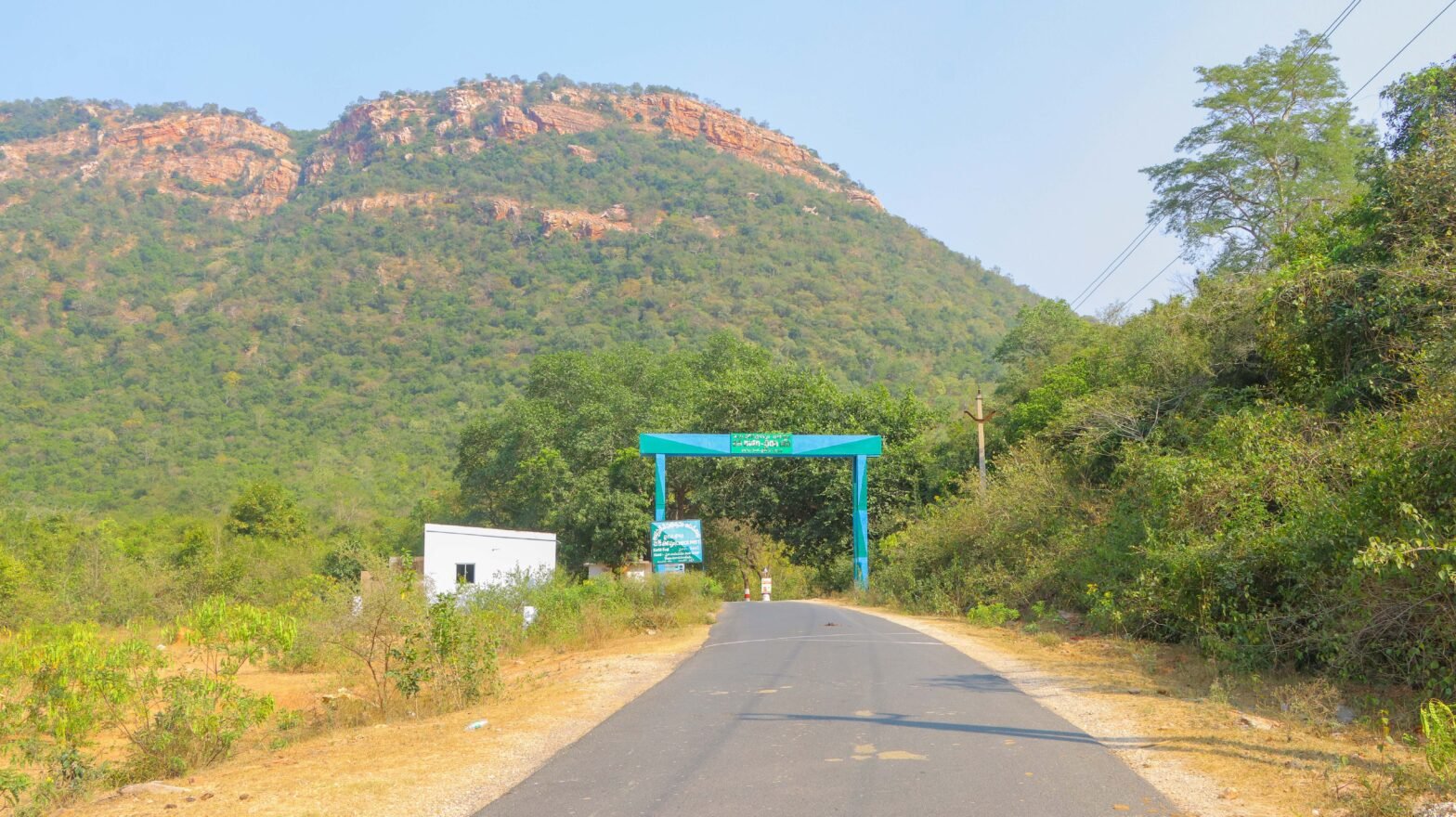
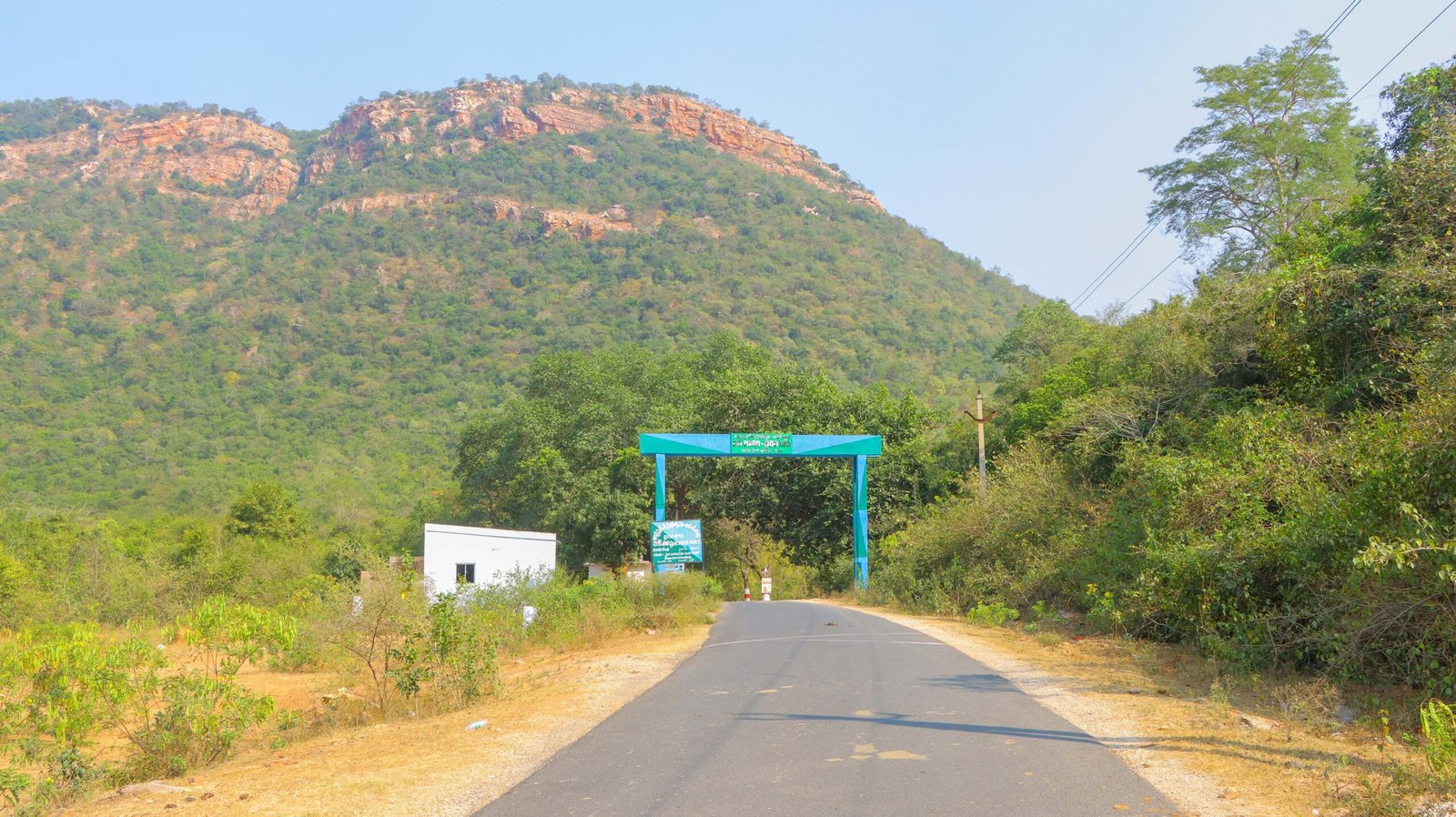
The Bhairavakona Rock-cut caves are located in the Nallamal forest region in C.S.Puram mandal of Prakasam district in Andhrapradesh. The name of the village is named after these caves as Bhairavakona and is one of the prominent sacred places in Andhrapradesh which attracts pilligrams for its beautiful architecture and natural picturesque location. The caves are cut in the natural rock in two tires as Shrines.
Management:
Archaeological Survey of India(ASI).
The Bhairavakona cave temple complex are one of the most notable rock-cut architecture of Andhra Pradesh. The origin of the temple may date back to 6th century CE which begin with a carving of Bhairava on a boulder hence called as Bhairavakona. The caves took their full shape during 7th and 8th centuries CE during which multiple cave temples and miniature shrines were carved out of rock. Scholars is that the caves were carved in two phases in which the early caves were carved from mid-7th century CE and later phase was done in early 8th century CE.
Art and Architecture:
There are total of eight caves carved into the rock in which four caves have only a single chamber and other four has inner chamber, a hall and porch.
Cave 1
This cave is the only north facing one among the group and also considered as the earliest. It consist of only a square chamber in which a Sivalinga is installed in its center. There are life-size carvings of Dwarapalaka with horned head-gear on either side of doorway and carvings of Brahma and Vishnu on either side. There is an open terrace hall infront of the cave and consist of Ganesha and Chandesa on sidewalls.
Cave 2
This cave is similar to that of first one and consist only a square chamber in which a slightly taller Linga is installed. There are dwarapalakas on either side of the doorway but without horned head-gear as that on earlier type. There are Ganesh and Chandesa carving on the side walls of the front hall as that of earlier but in well-defined niches. There are series of votive shrines carved as miniature chamber with Linga on the lower rock face connecting the first two caves.
Cave 3
This cave consists of a square chamber but with slight bigger in dimension than the second one. There are pair of dwarapalakas on either side of the doorway. There are two small votive shrines carved below this cave.
Cave 4
This cave is an unfinished one consisting of only a square chamber. There was an attempt to add additional features to the cave such as Kapotha, the roof level architectural member on which a small semi-circular columns are carved . This attempt replicates to that of Pallava caves of Mahabalipuram. There is a carving of Mahesa, a form of Siva with three faces in three directions on the back wall of the square chamber. This seems to be a later attempt as it replicates Mahesa of Ellora caves than of Pallava period.
Cave 5
This cave is quite different from the first four caves and is located above the fourth cave. It consist of a garbhagriha and a mandapa. The garbhagriha is a square chamber consisting of Linga installed. The mandapa is a rectangular hall with the four pillars in front portion. The architectural members exhibits the skilled and developed phase than that of earlier ones. The lintel portion has semi-circular designs in a series containing human faces. The infornt of the cave there is an open terrace with side wall having Ganesh and Chandesa sculptures.
Cave 6
The cave consists of a square inner chamber and rectangular porch in front of it. The garbhagriha consist of a polished Linga installed in the center and has dwarapalakas on either side of doorway and depicted with a horned head-gear. Beside the dwarapalaka sculptures there are carvings of Vishnu and Brahma. The front portion of cave has open terrace with carvings of Ganesh and Chandesa on opposite sides.
Cave 7
This cave is the most attractive one among the group and is similar in plan to that of Pallava cave temple of Mahabalipuram. The plan consist of a square garbhagriha and a porch with four pillars in front portion. The garbhagriha contains a linga installed and has life-sized Dwarapalaka sculptures carved on either sides of the doorway. There are carvings of Vishnu and Brahma beside dwarapalakas. The middle two pillars of porch are designed in such a way that the pillars are being carried by sculptures of lions in squatting pose. There are pairs of lions on the lintel portion of the cave. The sculptures of the cave exhibits the characteristic influence of the Pallava, Badami Chalukyan and Renati Chola styles.
Cave 8
The cave is similar in design to that of cave 7 and but in lesser dimensions. The cave is facilitated for the worship of Trinity i.e. Brahma, Vishnu and Siva.
Other Sculptures:
There are beautiful life-size carvings of Harihara and Nataraja carved on boulder infront of cave 3. The Nataraja is depicted with eight arms holding various weapons and legs in cross leg pose as of dancing move. The Harihara is the carving of forms of Siva and Vishnu in two halves. The left half portion depicts Siva with arms holding weapons like trident and axe while the other half depicts Vishnu with arms holding weapons like Shankhu and Chakra.
The major festivals celebrated in the temples are Sivaratri and Kartika-Purnima. Special Pujas are observed on Navaratri days and other holy days as per the Saiva agamas.
6.30AM- 7PM